
Legislative committee votes to shred old General Assembly files dating to the 1930s
A committee of state lawmakers recommended the destruction of old files on bills and amendments prepared for members of the General Assembly.
A committee of state lawmakers recommended the destruction of old files on bills and amendments prepared for members of the General Assembly.

A Republican state lawmaker said she will try again during the 2017 legislative session to make Colorado’s judicial branch subject to the state’s open-records law.

After months of work by stakeholders, proposed 2017 legislation is taking shape that would modernize the Colorado Open Records Act and provide an alternative to litigation for resolving CORA disputes. Despite the progress, however, a formidable roadblock surfaced when the Colorado Attorney General’s office announced that it will not support the most recent bill draft.

A judge ordered Adams County to describe records withheld from a lawyer who is fighting the impoundment of a pit bull that bit a mail carrier two years ago.
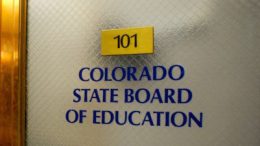
Education researchers and advocates are worried that a newly formalized approval process will make it harder to get information needed to adequately evaluate existing K-12 programs and to recommend innovations.
The Colorado legislature’s legal staff will shred old files on each bill and amendment prepared for members of the General Assembly – some going back to the 1930s – if lawmakers approve a proposed new records retention policy.
An open-records lawsuit filed this week claims that Adams County improperly withheld emails concerning the impoundment of a 6-year-old pit bull that bit a mail carrier in 2014.

Complaints and disciplinary actions against public school bus drivers are not “personnel” records that must be kept confidential, an Arapahoe County District Court judge ruled.
Immediately after a bill to modernize the Colorado Open Records Act (CORA) died in a Senate committee last session, the Secretary of State’s office offered to bring stakeholders together to work on a 2017 proposal agreeable to both government entities and records requesters. That effort is well underway this summer and has focused on three main topics.

Litigate or give up. Those are your legal options in Colorado if a government entity improperly withholds public records, charges you out-of-line fees for inspection or drags its feet on a records request. The same is true if you suspect that a public body violated the Open Meetings Law. In many other states, however, litigation is not the only way to challenge FOI denials.