
District college boards seek permission to make decisions via email
The governing boards of Colorado’s two local district community colleges want state lawmakers’ permission to make decisions via email.
The governing boards of Colorado’s two local district community colleges want state lawmakers’ permission to make decisions via email.
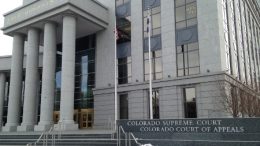
Records showing a public school teacher’s request for sick leave are not part of a teacher’s confidential personnel file and must be disclosed to the public, if requested, the Colorado Court of Appeals ruled.

Colorado lawmakers will consider at least four measures to expand public access to information during the legislature’s 2016 session, which convenes Jan. 13.

The Colorado Supreme Court quietly adopted new rules for accessing administrative records of the Colorado Judicial Branch, incorporating several recommendations made by the public and news media earlier this fall.
In a letter to the Colorado Supreme Court, the CFOIC and the press and broadcasters associations ask why the administrative records of the state’s judiciary should be treated differently from those of the other two branches of government and all of the state’s political subdivisions.
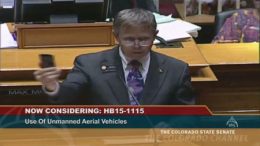
In the waning hours of the legislative session, state lawmakers gave up trying to find a way to protect peoples’ privacy from drones and other “emerging technologies” while not interfering with the First Amendment rights of photojournalists, private investigators and others who rely on cameras for work.

A state Senate committee acquiesced to First Amendment concerns expressed by the news media and private investigators about a bill that, as passed by the House, would have made it a crime to photograph or record someone who has a “reasonable expectation of privacy.”

The Senate Local Government Committee unanimously endorsed a bill intended to shield state agency whistleblowers, despite fears from officials of several state government departments that it would make confidential information more vulnerable to security breaches.

Privacy concerns posed by drones and other emerging technologies prompted initial passage in the Colorado House of a bill that would make it a crime to photograph or record someone who has a “reasonable expectation of privacy.”

What do you get when you ask three lawyers to discuss the ambiguous aspects of the Colorado Open Records Act and the state’s Sunshine (open meetings) Law? The answer is not four opinions.