The Denver Post

Amicus brief: Court of Appeals ruling in Daily Camera lawsuit ‘deprives the public of meaningful oversight’ of government chief executive hiring

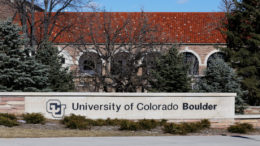
A Colorado Court of Appeals ruling in the Boulder Daily Camera’s lawsuit against the University of Colorado regents sets “a dangerous precedent that deprives the public of any meaningful oversight and input into the selection process of a public body’s chief executive,” says a friend-of-the-court brief filed by the Colorado Freedom of Information Coalition and 12 other organizations.



Fixler: Require Colorado ski resorts to publicly report injuries and deaths

Ski industry officials often note that resort deaths are incredibly rare, at roughly a one-in-a-million chance of occurrence. However, we still don’t fully understand how the state’s deadliest seasons stack up against one another because the industry and the state’s resorts are not required to divulge fatality stats, and national data released annually lacks detail or is incomplete.


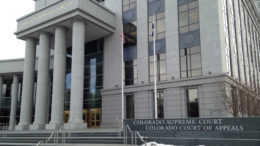
Zansberg: Colorado’s new rule governing public access to judicial records in criminal cases ‘a tremendous leap forward’

The indisputably terrible, horrible, no good, very bad year 2020 ended with at least one bright spot in Colorado: On Dec. 17, the state Supreme Court formally adopted a new Rule of Criminal Procedure (Colo.R.Cr.P. 55.1) that sets both procedural and substantive standards for when a trial judge may “suppress” judicial records on file in criminal cases.


New judicial branch standard for sealing or suppressing criminal court records ‘increases transparency and builds public trust’

The Colorado Supreme Court’s adoption of a statewide standard for sealing and suppressing court records in criminal cases “is an extremely positive development that increases transparency and builds public trust in our judicial branch,” said Steve Zansberg, a First Amendment attorney and president of the Colorado Freedom of Information Coalition.


A groundbreaking 2019 law opened records on police internal affairs investigations. The legislature could make the disciplinary process even more transparent.

Incidents in Colorado and elsewhere show the limitations of HB 19-1119 as a tool of transparency, accountability and for building trust between law enforcement agencies and the communities they serve. More could be done to ensure the public knows when officers are accused of misconduct or of using excessive force, how those allegations are investigated and whether and how discipline is imposed.