Pro bono legal help for local journalism in Colorado is coming soon
News organizations in Colorado will soon get some extra legal firepower to fight wrongful denials of access to government records and proceedings.
News organizations in Colorado will soon get some extra legal firepower to fight wrongful denials of access to government records and proceedings.

A major battle plays out daily in Colorado as some of our elected and appointed officials – all of whom took a solemn oath to serve all Coloradans – do everything possible to frustrate disclosing information belonging to the people. These fights involve access to records concerning public policies created with taxpayer dollars.

A free and independent press is fundamental — it is essential — to American democracy at all levels. But knowing that is precisely why Coloradans must begin a conversation about alternative ways to fund local journalism — even ways that involve public dollars.

Government transparency laws are designed to make sure the government gives you what it’s obligated to give you, even if those documents may be embarrassing or may get someone fired. Recently though, government agencies have been using a new tool to keep documents a secret. That tool is money.

When a government agency wants $5,850 to fulfill a request made under the Colorado Open Records Act, is it effectively denying access to those records?

Obtaining public records in Colorado could soon get a bit more expensive. Beginning Monday, July 1, state and local government entities will be allowed to charge a maximum of $33.58 an hour – after the first hour – to fulfill requests made under the Colorado Open Records Act.

The Colorado Freedom of Information Coalition honored state Sen. John Kefalas for his work in the legislature to expand Coloradans’ access to public records.
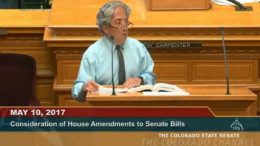
An 18-month push to update Colorado’s open-records law for the digital age culminated in the final passage of a bill that clarifies the public’s right to copies of electronic government records in useful file formats that permit analysis of information in those records.

More than five months after her initial request, Marilyn Flachman is finally getting the employee salary information she requested from the Westminster school district. It took four CORA letters, assistance from an attorney and $745.
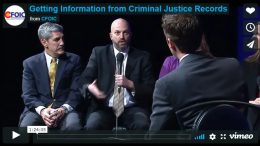
The Colorado Criminal Justice Records Act isn’t as well known or as well understood as its sister statute, the Colorado Open Records Act. That’s why the CFOIC assembled a panel of experts to discuss the law that governs the release of criminal justice records – and to provide tips and workarounds for getting the records you want.