Update: Gov. Jared Polis signed HB 26-1422 into law on Tuesday, June 2.
By Jeffrey A. Roberts
CFOIC Executive Director
State lawmakers are adding themselves and many other government officials in Colorado to the list of “protected persons” who, for safety reasons, can get their home addresses and other personal information removed from public records posted on the internet.
The list in statute currently includes law enforcement officers, firefighters, educators, human services workers, health care workers, prosecutors, public defenders, code enforcement officers, child representatives and animal control officers.
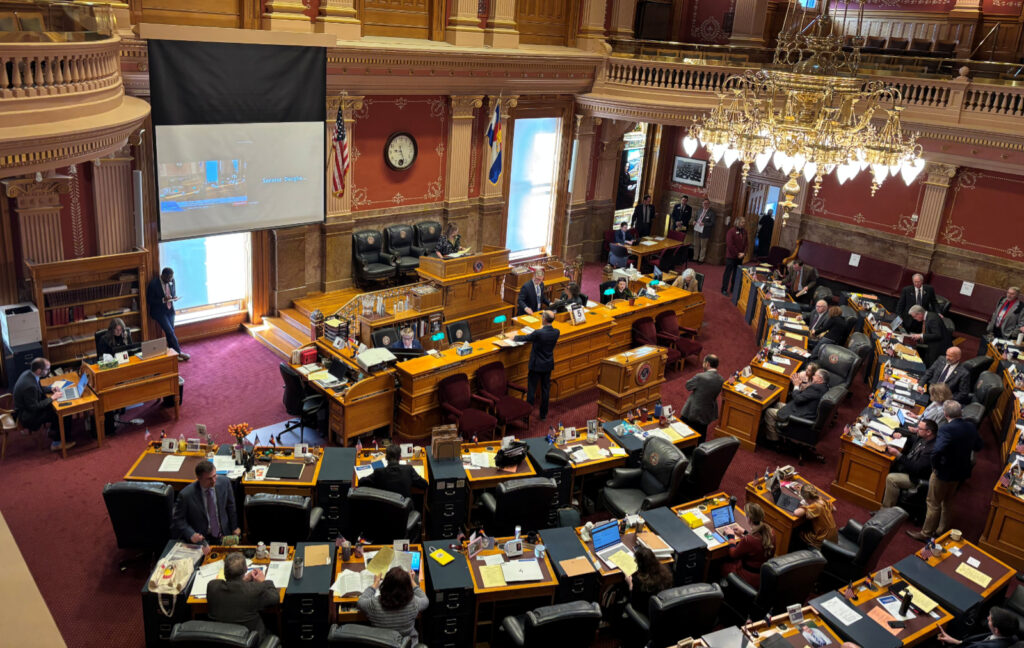
House Bill 26-1422, which passed the Senate on Wednesday 28-7, also lets elected and appointed officials and those who have held office “within the last four years” request that their personal information be redacted from records put online by state or local government entities. They must affirm in writing a “reason to believe that the dissemination of the personal information … poses an imminent and serious threat” to their safety.
The bill additionally requires the Colorado Secretary of State’s office to redact a candidate’s address and other personal information from disclosure statements before publishing them on its TRACER website. And it removes a requirement that financial disclosures filed by certain public officials include the legal description of any real property they own, instead letting them write down only the city and county in which the property is located.
HB 26-1422 was in part motivated by the shooting deaths last summer of Minnesota Rep. Melissa Hortman, a former speaker of the House, and her husband at their home, as well as the shootings of another Democratic lawmaker and his wife by the same gunman, The Denver Post reported. After the shootings, 31 elected officials in Colorado asked to have their personal contact information removed from TRACER.
Senate President James Coleman, a prime sponsor of HB 26-1422, told members of the Senate Finance Committee on Monday the legislation “modernizes protections for sensitive personal information that can too easily be weaponized online.”
Noting multiple other security measures in the bill for the legislative, judicial and executive branches, the Denver Democrat said the measure “is not about limiting public participation or insulating elected officials from accountability. Colorado’s Capitol and courtrooms must remain open, accessible institutions, but openness and safety are not mutually exclusive. We can and must protect democratic access while ensuring the people who serve the public are protected from credible threats and violence.”
HB 26-1422, which now heads to Gov. Jared Polis for his signature, could make it more cumbersome for journalists and others to check the backgrounds of public officials or candidates for office or make sure candidates live in the districts they are running to represent.
Under the bill, anyone can be “an exempt party” who is allowed to access a record “that includes information otherwise subject to redaction.” But they must provide identifying information and certify the information will not be used “for the purpose of harassment, intimidation, or commercial purposes, including the sale or resale of information.” An exempt party must affirm they are exempt under penalty of perjury.
The measure lets state and local government entities charge unspecified “administrative costs related to granting access to an exempt party requesting the record.” It’s unclear whether a requester would have to pay another fee on top of any fees allowed under the Colorado Open Records Act.
The definition of elected official in HB 26-1422 includes the governor, lieutenant governor, attorney general, secretary of state, state treasurer, a member of the General Assembly, a school district director and “an elected or appointed official of a local government.”
Personal information is defined as home address, home telephone number, personal mobile number, pager number, personal email address, directions to a person’s home, or a photo or description of a person’s home, vehicle or license plate.
HB 26-1422 also makes it a class one misdemeanor to knowingly make available on the internet “personal information about an elected official or an elected official’s immediate family if the dissemination of personal information poses an imminent and serious threat” and the person posting the information “knows or reasonably should know of the imminent and serious threat.”
Follow the Colorado Freedom of Information Coalition on X and Bluesky. Like CFOIC’s Facebook page. Do you appreciate the information and resources provided by CFOIC? Please consider making a tax-deductible donation.