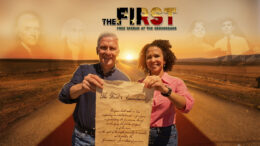
Coming soon: The First, a new documentary film about the First Amendment
The Colorado Freedom of Information Coalition is fiscal sponsor for a new film about the First Amendment to be aired on PBS stations starting in October.
A lawsuit accuses the Colorado Energy and Carbon Management Commission of violating the state’s open meetings and open records laws by denying public access to a commission-appointed advisory committee and by withholding the committee’s draft report.
Should you be able to obtain Flock camera records about your own vehicle in Colorado? A class-action lawsuit in Boulder District Court focuses in part on that question.
It’s been 14 years since an amendment to the Colorado Open Meetings Law barred public bodies from using secret ballots to make decisions, but the Greeley City Council and the Bayfield Planning Commission recently took votes that way.
The town of Hudson wants a judge to validate its denial of a request by 9NEWS journalist Steve Staeger for records related to the resignations of the police chief and a lieutenant.
A progressive activist has failed to show that the Colorado Opportunity Caucus is a public entity subject to the Colorado Open Records Act, a judge determined, dismissing claims against the nonprofit for withholding documents related to a 2025 retreat at a Vail hotel.
An appeals court opinion barring fees for some law enforcement body-worn camera footage should not be reviewed by the Colorado Supreme Court, a brief filed by Yellow Scene Magazine argues.
Three Douglas County residents asked the Colorado Supreme Court to deny the county commissioners’ petition for review of an appellate court ruling that the open meetings law applied to several meetings they convened outside of public view.
For Zansberg, the story of his unilaterally terminated records request highlights a systemic problem with CCJRA that many requesters face: Unlike CORA, which requires the production of records “not readily available” within three working days unless extenuating circumstances apply, CCJRA does not include a response deadline.
That ruling should be reversed because Meyer failed to apply the presumption of public access outlined in case law, the Colorado Rules of Civil Procedure and Chief Justice Directive 05-01, the judicial branch’s court records policy, argues CFOIC’s appellate brief.