CFOIC’s 2020 year in review: coronavirus records, CORA costs, body cam footage, judicial secrecy
COVID-19 touched nearly every aspect of our lives in 2020 so of course it affected government transparency and public access to courts in Colorado.
COVID-19 touched nearly every aspect of our lives in 2020 so of course it affected government transparency and public access to courts in Colorado.
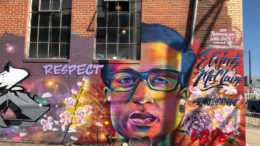
Incidents in Colorado and elsewhere show the limitations of HB 19-1119 as a tool of transparency, accountability and for building trust between law enforcement agencies and the communities they serve. More could be done to ensure the public knows when officers are accused of misconduct or of using excessive force, how those allegations are investigated and whether and how discipline is imposed.

One positive development in the current historical moment is the growing awareness and recognition – by citizens, legislators, governors, mayors, and even police chiefs – that there can be little or no public trust, a necessary foundation of effective law enforcement, without both accountability and transparency.
The passage of an historic, comprehensive police reform bill transformed a relatively quiet 2020 Colorado legislative session for freedom-of-information issues into one of major importance.

The sweeping police accountability and transparency bill state lawmakers sent to Gov. Jared Polis will establish new statewide requirements for disclosing footage from body-worn cameras and dashboard cameras in Colorado, ensuring that recordings of alleged officer misconduct are made public in most circumstances.

Dan Caplis, an attorney and radio talk show host, is suing the state health department for failing to provide requested documents related to the coronavirus pandemic within the time frame specified in the Colorado Open Records Act.

We write today to request that you take a few additional actions that we feel would greatly help to ensure journalists throughout the state are best equipped to tell the stories that must be told. Our primary objectives are to keep the public informed, to accurately chronicle the events of this unprecedented period – to write the “first rough draft of history” – and to report on how government officials, local business and civic leaders, and communities are responding.

Some government entities in Colorado are delaying responses to public records requests because of the coronavirus pandemic, but the disruption of day-to-day transparency obligations so far doesn’t seem as severe here as in other parts of the country.
Colorado Press Association and Colorado Freedom of Information sent the following joint letter to Gov. Jared Polis on March 16 regarding news operations and COVID-19.

As the COVID-19 pandemic forces everybody to consider limiting their exposure to other people, local elected officials are starting to think about how they can do the public’s business virtually without violating the Colorado Open Meetings Law.