
Judge rejects media consortium’s request to reconsider sealing of Barry Morphew arrest affidavit
The 130-page arrest affidavit for Barry Morphew, who is accused of murdering his wife Suzanne Morphew in 2020, will remain sealed for now.
The 130-page arrest affidavit for Barry Morphew, who is accused of murdering his wife Suzanne Morphew in 2020, will remain sealed for now.
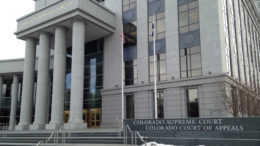
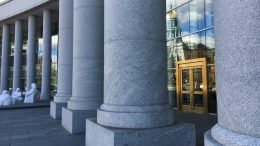
Free online access to civil court records — a positive outgrowth of the COVID-19 pandemic — will continue, even though the Colorado Supreme Court law library in downtown Denver has reopened to the public.
Several Colorado news organizations have asked a Chaffee County District Court judge to reconsider his June 4 order sealing the 130-page arrest warrant affidavit for Barry Morphew, who is accused of murdering his wife, Suzanne Morphew, in 2020.
Colorado Freedom of Information Coalition president Steve Zansberg and Denver Post investigative reporter David Migoya are co-recipients of this year’s First Amendment Award from the Society of Professional Journalists’ Colorado Pro Chapter for work that prompted a new statewide standard for sealing and suppressing criminal court records.

State legislation designed to reduce collateral consequences for people with criminal records would hinder the ability of news organizations to identify systemic problems in the criminal justice system and hold public officials accountable, journalists told Colorado lawmakers.
The indisputably terrible, horrible, no good, very bad year 2020 ended with at least one bright spot in Colorado: On Dec. 17, the state Supreme Court formally adopted a new Rule of Criminal Procedure (Colo.R.Cr.P. 55.1) that sets both procedural and substantive standards for when a trial judge may “suppress” judicial records on file in criminal cases.
Some Colorado journalists were surprised and disappointed in early January to see that the fee for a statewide search on CoCourts.com had jumped from $7 to $10.
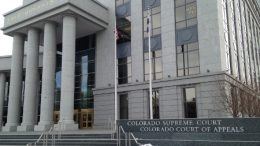
Free remote access to civil court records for all Coloradans has been a rare positive outgrowth of the COVID-19 pandemic, and we applaud the Colorado Judicial Branch for taking that important step.
COVID-19 touched nearly every aspect of our lives in 2020 so of course it affected government transparency and public access to courts in Colorado.
The Colorado Supreme Court’s adoption of a statewide standard for sealing and suppressing court records in criminal cases “is an extremely positive development that increases transparency and builds public trust in our judicial branch,” said Steve Zansberg, a First Amendment attorney and president of the Colorado Freedom of Information Coalition.