
It’s almost 2025. Why are we still writing checks to pay for public records?
A quarter of the way into the 21st century, should Coloradans still have to write paper checks to pay for public records?
A quarter of the way into the 21st century, should Coloradans still have to write paper checks to pay for public records?

The Colorado Court of Appeals heard arguments about whether a state law that makes educator evaluation records confidential also shields the disciplinary records of Denver Public Schools administrators.

Comparing the Peace Officer Standards and Training (POST) board to the dental board and similar state licensing agencies, an attorney for two news organizations urged the Colorado Supreme Court to reverse an appellate ruling that keeps the state’s database of law enforcement officers confidential.
Colorado’s second-highest court ordered a judge to hold a hearing in the case of a “homeless and penniless” activist who sued a state agency that wanted to charge him $600 for copies of ketamine waivers.

The Colorado Supreme Court will review an appellate court opinion that the Colorado Children’s Code doesn’t necessarily prohibit the state Department of Human Services from publicly releasing aggregate statistics about child-abuse hotline calls made from licensed residential care facilities.
The Colorado Court of Appeals heard oral arguments about whether a Denver activist has legal standing to sue a state agency that wanted to charge him $600 for public records — an amount he refused to pay.
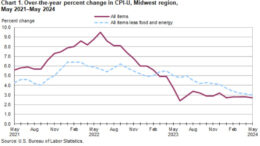
It didn’t take long for several government entities in Colorado to adopt the new, much-higher, maximum CORA fee rate that went into effect on Monday, July 1.

KOAA-TV is entitled to unredacted records concerning employees at the Colorado Mental Health Hospital in Pueblo, a judge ordered, rejecting a state agency’s claim that disclosure of their names is prohibited by the “personnel files” exemption in the Colorado Open Records Act.
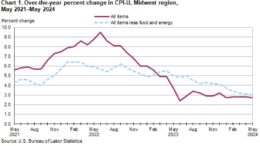
CORA’s maximum research-and-retrieval rate will jump to $41.37/hour on July 1, letting state and local government entities in Colorado charge up to 23.2 percent more to process requests for public records.

It could have been worse. While open-government losses far outnumbered wins in the 2024 session of the Colorado General Assembly, the death of a burdensome Colorado Open Records Act bill in the closing days helped make the final tally a little less one-sided.