By Jeffrey A. Roberts
CFOIC Executive Director
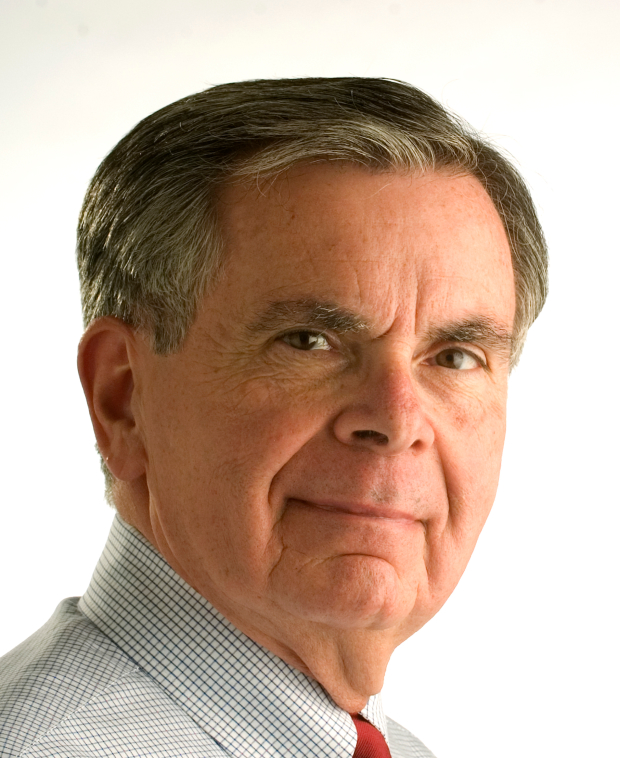
Fred Brown, who died this week at age 85, demonstrated his passion for both journalism ethics and access to government information long before he joined the board of the newly formed Colorado Freedom of Information Council in 1988.
Fifteen years earlier, in 1973, Brown as a Denver Post statehouse reporter examined the first quarterly lobbyist disclosure records required by the 1972 voter-approved Colorado Sunshine Law.
“I pored over them at the Secretary of State’s office and wrote down everything that looked interesting — including, in the spirit of transparency, how much the state alcohol lobby spent to keep the refrigerator in the press room stocked with beer,” he recalled for a 2022 CFOIC article on the 50th anniversary of the law, which also included open meetings and financial disclosures for elected officials.
Near the end of a story published in The Post on Apr. 15, 1973, Brown reported that William R. Spencer, the lobbyist for the Colorado Beer Distributors Association, had spent about $140 a month to provide “beer for Statehouse press corps.”
“That pretty much ended the beer distribution,” Brown wrote in an email, “and also had a chilling effect on the afternoon poker games, and on my warm relationships with my colleagues — at least for a while. (And then, when The Post became a morning paper, that definitely put the kibosh on the carefree, boozy afternoons.)”
Brown became well known for his honesty and integrity. When email addresses became a thing, his moniker was and remained “ethicalfred.”
Brown represented the Society of Professional Journalists — which adopted its famous Code of Ethics in 1926 — when he first became active with CFOIC (now called the Colorado Freedom of Information Coalition). According to organization minutes, he and CFOIC founder Jean Otto (editorial page editor of the Rocky Mountain News) were named co-vice presidents on Oct. 15, 1988.
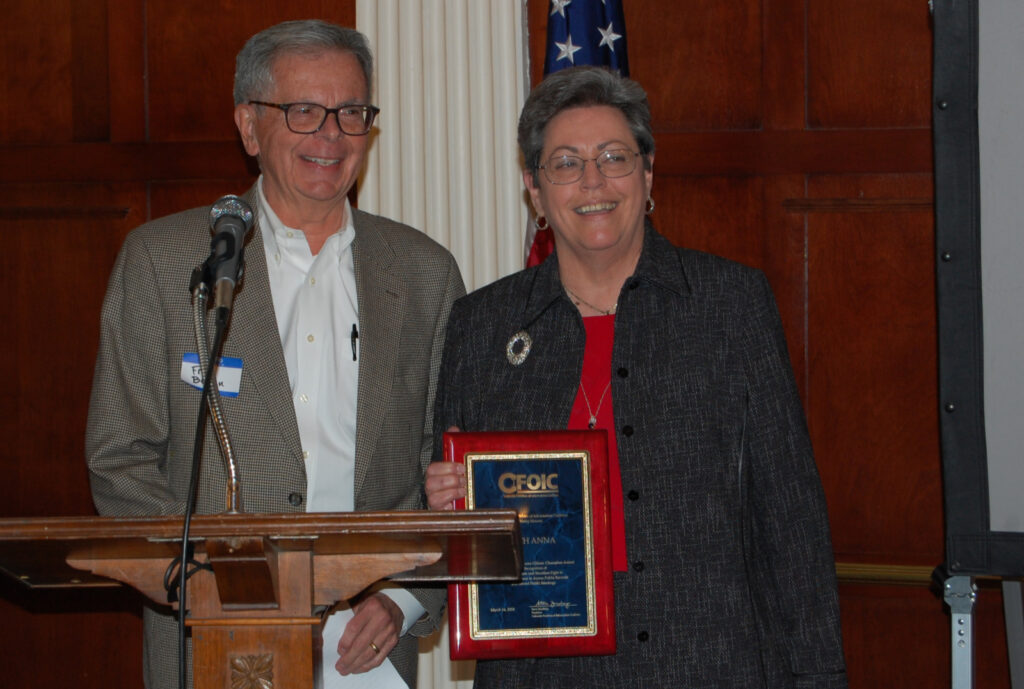
Retiring from The Post in 2002 after a 39-year career, Brown stayed active with both SPJ and CFOIC until he had a stroke in mid-March. At various times, he served as national SPJ president and president of SPJ’s Colorado chapter. He helped revise the Code of Ethics in 1996, edited SPJ’s “Journalism Ethics” casebook and taught media ethics at the University of Denver. SPJ honored him in 2006 with its most-prestigious award.
“Across decades, Fred was a guiding light for journalists in the Centennial State and nationwide,” SPJ Colorado wrote in a statement posted on its website.
Until his death, Brown was secretary of CFOIC’s board of directors and a member of CFOIC’s advocacy committee. It was only a few weeks ago that he weighed in on the draft of a proposed right-to-know amendment to Colorado’s constitution and a bill in the legislature that would have weakened the Colorado Open Records Act.
“Over the years, his wisdom and knowledge have been instrumental in CFOIC’s mission to protect the public’s right to know,” CFOIC said in a social media statement on Thursday.
“In addition to his own journalism and fervent advocacy for ethical reporting and government transparency, Fred was, without question, one of the kindest souls I’ve had the pleasure to encounter,” CFOIC president Steve Zansberg posted. “He will be sorely missed.”
“We owe him a debt of gratitude for all he’s done to shed SUNLIGHT on Colorado,” CFOIC vice president Nicole Vap wrote on Facebook.
CFOIC and SPJ Colorado will organize a celebration of Fred Brown’s life to be held at the Denver Press Club. He is survived by his wife Mary Brown.
Follow the Colorado Freedom of Information Coalition on X and Bluesky. Like CFOIC’s Facebook page. Do you appreciate the information and resources provided by CFOIC? Please consider making a tax-deductible donation.